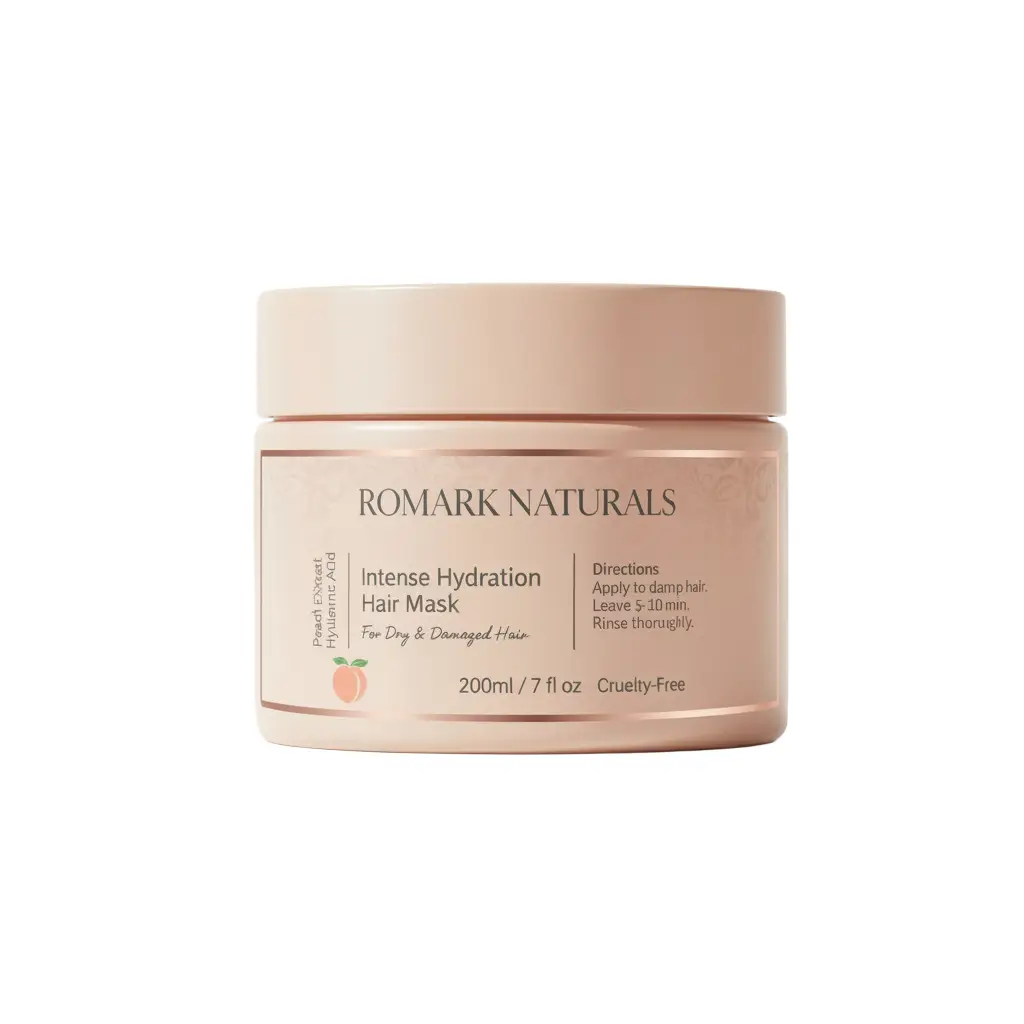
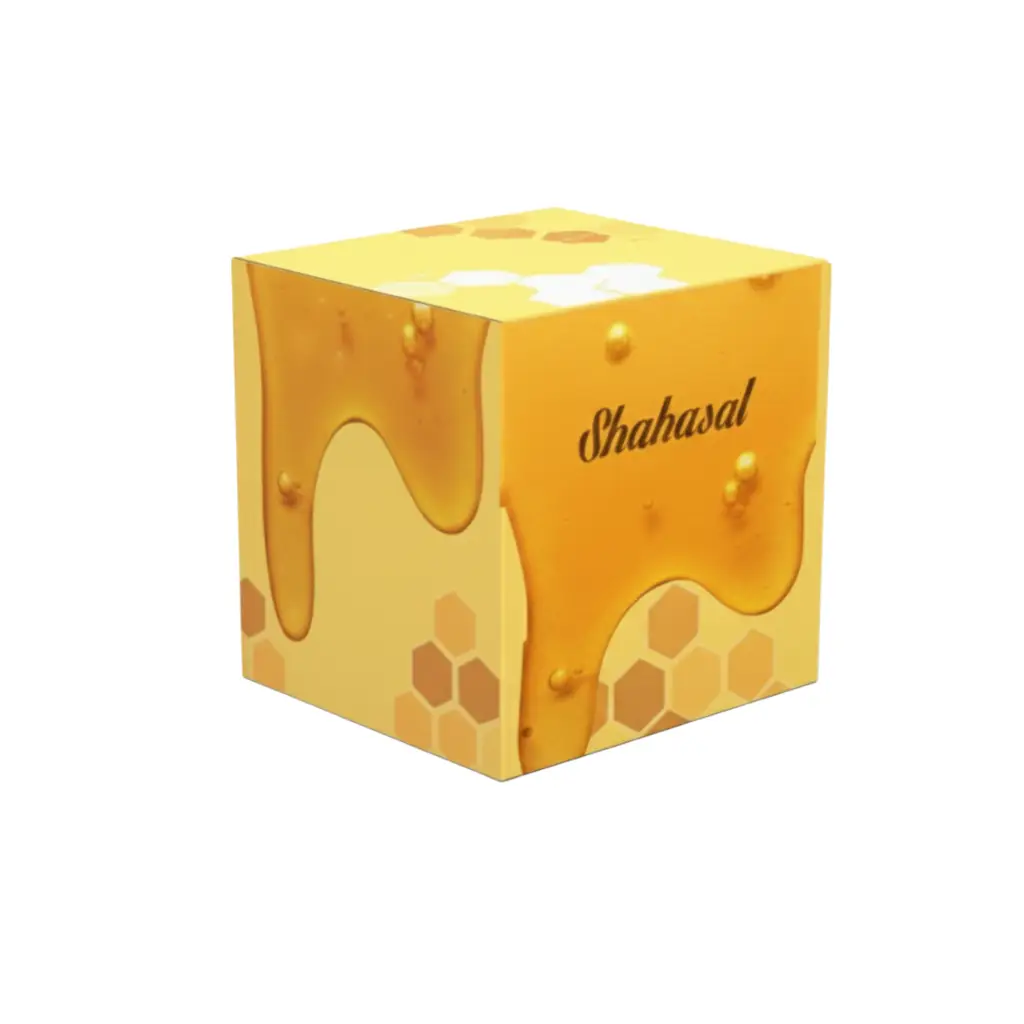
Packaging: The First Handshake Between Brand and Consumer
Packaging is much more than just a container—it’s the very first handshake between a brand and shoppers, whether in bustling store aisles or scrolling on a screen. It shapes how people feel, build trust, and decide what to buy. From startups to global icons, smart packaging design connects people to products in meaningful ways, creating joy and sparking loyalty.
Why Packaging Matters to Real People
About 72% of American shoppers say packaging strongly influences what they choose to purchase (Ipsos, 2018). Today’s consumers look beyond the product itself; they crave experiences, reassurance, and a sense of belonging( Pine & Gilmore, 2013). Packaging fulfills these needs by sparking curiosity, signaling reliability, and forging emotional links through familiar visuals and the feel of materials, a process known as embodied cognition.
Embodied cognition means that our minds don’t work in isolation; how we perceive products is shaped by how they engage our senses,touch, sight, even sound (Krishna et al., 2017). For example, the weight, texture, or smoothness of a package can make a product feel more trustworthy or luxurious. This sensory experience subtly informs how a shopper feels about the brand, beyond what words or images alone can say.
Psychology Meets Design: How Brands Win
The secret to great packaging is how it taps into human psychology. Our brains process images incredibly fast, often before we even read a word, so colors and shapes that stand out can instantly grab attention and shape feelings about a product (Sawarkar et al., 2025).
Colors play a surprising role here. Cool colors like blue and green often make people feel calm and balanced, which can translate into trust and a sense of quality. Warm colors like red and yellow are exciting and eye-catching, great for sparking energy and drawing quick attention. But the choice depends on what the brand wants to say. Friendly, approachable brands might lean into blues and greens for calm reliability, while bold brands might use reds and yellows to energize shoppers (Sawarkar et al., 2025).
Materials matter too. A well-made, sturdy box or bottle suggests quality and care, while flimsy or cheap-feeling packaging can turn buyers away ( Kampfer et al., 2017) . Honest and simple messaging, like “organic” or “recyclable”—builds trust, especially when it feels transparent and real, not overhyped (Brenneman, 2022).
Packaging shape also sends signals. Rounded shapes feel inviting and friendly, while sharper angles can communicate strength or precisio( Liang et al., 2025). Unique shapes can catch the eye and make products memorable even before customers pick them up.